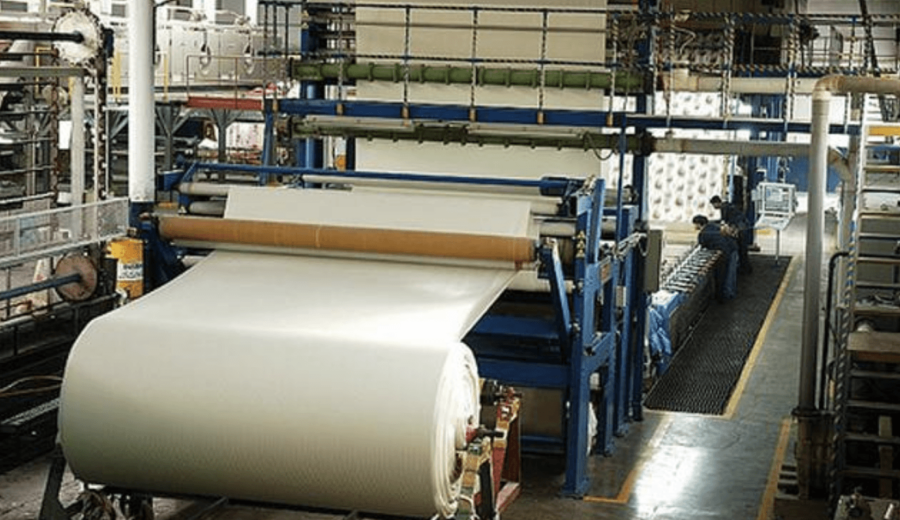
Textile Processing Industry Struggles with Gas and Water Shortages, Rising Power Costs
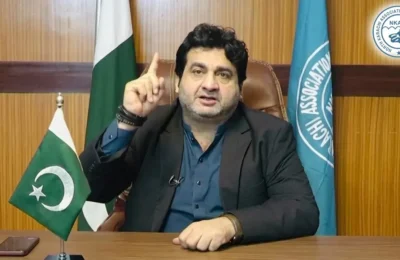
APTPMA Chairman Rizwan Lakhani urges the government to ensure reliable industrial utilities, introduce competitive energy tariffs and support investment in modern technology.
Pakistan’s textile processing industry is facing growing pressure from persistent gas and water shortages, rising electricity tariffs and higher raw material costs, according to All Pakistan Textile Processing Mills Association (APTPMA) Chairman Rizwan Lakhani.
He said unreliable supplies of essential industrial utilities were increasing production expenses and making Pakistani textile products less competitive in international markets.
Rising global petroleum prices have also pushed up the cost of dyes and chemicals, adding to the financial burden on textile processing businesses.
Lakhani said the sector played an important role in Pakistan’s exports, employment generation and industrial development. However, higher operating costs and unreliable utility supplies were making it increasingly difficult for manufacturers to maintain production and fulfil international orders at competitive prices.
He urged the government to ensure uninterrupted gas and water supplies to textile processing units on a priority basis. He also called for a practical plan to bring electricity tariffs closer to the levels faced by industries in competing regional economies.
Industry Seeks Competitive Energy Tariffs
The APTPMA chairman proposed long-term and predictable energy pricing for export-oriented industries to help manufacturers plan their operations and manage costs.
He also called for a review of additional surcharges and other financial charges on industrial electricity bills.
Lakhani said the government should encourage businesses to adopt renewable energy, particularly solar power and other alternative energy solutions. Such measures, he said, could help reduce dependence on conventional energy sources and ease pressure on production costs.
Water Recycling and Technology Upgradation
The association also highlighted the need to improve water availability in industrial areas through water treatment and recycling plants.
Lakhani called for easier financing and incentives to help textile processors invest in modern machinery, advanced production technologies and wastewater treatment systems.
He further urged the government to offer appropriate duty and tax concessions on imported machinery, ensure timely payment of export-related refunds and introduce incentives for technological upgradation.
APTPMA Calls for Long-Term Industrial Policy
Lakhani stressed that the government and industrial sector should work together to develop a long-term policy focused on reducing production costs, improving product quality and strengthening export capacity.
He said policy stability and a business-friendly environment were essential for enabling Pakistani textile manufacturers to compete with producers in China, Bangladesh, India and other regional markets.
According to the APTPMA chairman, addressing shortages of gas and water, lowering industrial energy costs and supporting investment could help increase exports, strengthen foreign exchange reserves and create more employment opportunities.
He added that a more competitive textile processing sector would contribute to wider industrial growth and the stability of Pakistan’s economy.
RELATED STORIES