SBP Projects Pakistan’s GDP Growth at 3.5–4.5% in FY27
The central bank expects a gradual recovery in domestic demand and commodity-producing sectors, while highlighting structural reforms as key to long-term growth and job creation.
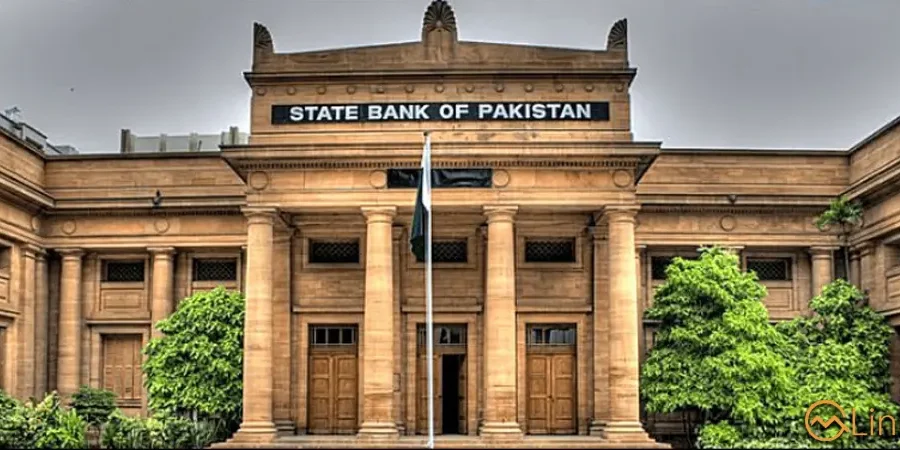
The State Bank of Pakistan (SBP) expects the country’s economy to grow by 3.5% to 4.5% in fiscal year 2026-27 (FY27). The forecast is based on a gradual recovery in domestic demand and improved performance in commodity-producing sectors.
The projection was outlined in the central bank’s Annual Report on the State of Pakistan’s Economy for FY2025-26, released on November 16, 2026.
According to the report, Pakistan’s economy remained resilient during FY26 despite several domestic and international challenges. These included changing US trade tariff policies, monsoon floods at the beginning of the fiscal year and the outbreak of conflict in the Middle East in late February 2026.
The SBP said improvements in key economic indicators reflected the impact of prudent monetary policy, fiscal consolidation and reforms introduced under the International Monetary Fund (IMF) programme. These measures helped maintain economic stability despite uncertainty in global markets.
Economic Performance and External Sector
The report noted that real GDP growth improved in FY26, mainly due to a recovery in large-scale manufacturing. This improvement also supported economic activity in the agriculture and services sectors.
Stronger domestic demand led to higher import volumes. However, difficult global conditions limited export growth. Increased workers’ remittances helped keep the current account deficit at just 0.1% of GDP during FY26.
Pakistan’s foreign exchange position also strengthened during the year. The SBP attributed this improvement to substantial foreign exchange purchases from the market, lower forward liabilities and continued official inflows.
Eurobond and Panda bond issuances, along with steady inflows through Roshan Digital Accounts, also contributed to the country’s foreign exchange reserves.
Fiscal performance improved as the government continued its consolidation efforts. The report also noted a substantial decline in interest payments.
Meanwhile, prudent monetary and fiscal policies helped keep average national consumer price inflation close to the upper limit of the SBP’s medium-term target range of 5% to 7% during FY26. However, the energy price shock linked to the Middle East conflict pushed year-on-year inflation into double digits from April 2026.
Structural Reforms Needed to Support Job Creation
Despite improvements in economic conditions, the SBP stressed that Pakistan needs deeper structural reforms to achieve sustainable growth and generate enough jobs for its expanding working-age population.
A special chapter in the report, titled “Structural Challenges to Job Creation in Pakistan”, identifies several barriers to employment growth. These include weak and unstable economic growth, slow structural transformation and signs of premature deindustrialisation.
The report also highlights major labour market challenges, such as low female labour force participation, high youth unemployment and widespread informal employment.
In addition, developments such as Industry 4.0, the green transition and geoeconomic fragmentation could create further pressure on Pakistan’s job market.
To address these challenges, the SBP recommends encouraging private investment, closing infrastructure gaps and improving technology and skills development. It also calls for rationalising taxes, simplifying tax administration and reducing uncertainty through clear, rules-based fiscal and regulatory frameworks.
The central bank further stressed the importance of preparing for climate-related shocks, which pose growing risks to agricultural production. It also highlighted opportunities to integrate next-generation solar energy strategies into agriculture while balancing renewable energy production with food security and environmental sustainability.
Economic Outlook for FY27
Looking ahead, the SBP expects domestic demand to recover gradually in FY27. Recent fiscal measures could provide additional support to economic activity, while stronger growth in commodity-producing sectors is expected to benefit the services sector.
However, worsening El Niño conditions could affect the agricultural outlook. The latest information cited in the report showed higher production of major Kharif crops, including sugarcane, rice and maize, compared with the previous year.
On the external front, imports are expected to rise as the economy expands, tariffs are rationalised and international commodity prices increase. Exports, meanwhile, are projected to recover moderately, supported by policy incentives and a slight improvement in global demand.
The SBP expects continued growth in workers’ remittances to keep the current account deficit between 0% and 1% of GDP in FY27.
Foreign Exchange Reserves and Inflation Outlook
The report also forecasts further growth in foreign exchange reserves. It points to US$3 billion raised through a Eurobond issuance in September 2026, along with foreign exchange purchases and expected official inflows, as key factors supporting reserve accumulation.
The central bank expects reserves to approach the equivalent of four months of imports.
Inflation, however, is likely to remain under pressure due to the global energy price shock. Despite these pressures, the SBP expects inflation to gradually ease towards its medium-term target range of 5% to 7% during FY27.
The central bank emphasised that maintaining economic stability will require sustained reforms and higher investment from public, private and foreign sources. These efforts will be important for supporting long-term growth, creating employment opportunities and reducing Pakistan’s exposure to global supply chain disruptions.
RELATED STORIES