The Biz Update One of Pakistan's Most Reliable Business News Website
Related Articles


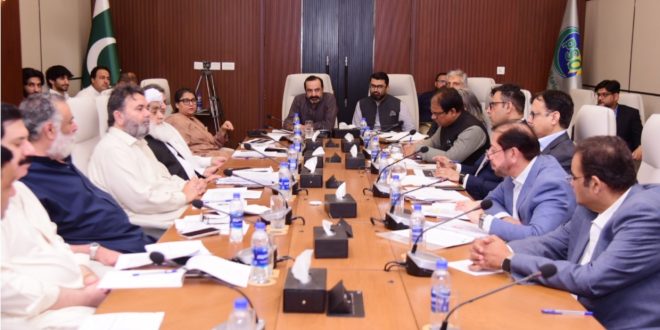
KARACHI July 1 ,2026 : The Senate Standing Committee on Petroleum on Wednesday reviewed Pakistan’s fuel supply situation and energy security amid disruptions caused by the Gulf conflict. Pakistan State Oil (PSO) assured lawmakers that the country maintained uninterrupted petroleum supplies through alternative sourcing and contingency measures despite regional supply chain challenges.
The committee met at PSO headquarters in Karachi to review key issues facing the petroleum sector. Senators Umer Farooq, Qurat-ul-Ain Marri, Abdul Wassy, Rana Mehmood-ul-Hassan, Mir Dostain Khan Domki, Jam Saifullah Khan, Amir Waliuddin Chishti, and Manzoor Ahmed attended the meeting.
PSO briefed the committee on its operations and fuel supply management during the Gulf crisis. The company said the closure of the Strait of Hormuz disrupted regional supply chains, reduced the availability of refined petroleum products and vessels, triggered demand and supply shocks, and sharply increased freight costs.
However, PSO said it managed the situation by securing fuel from alternative regional and international sources. It also optimized product movement, redistributed supplies according to demand, kept key installations operational around the clock, and coordinated closely with regulators and law enforcement agencies. In addition, the company outlined plans to expand strategic fuel reserves and strengthen long-term supply arrangements to improve energy security.
The committee also reviewed the Petroleum Division’s Public Sector Development Programme (PSDP) proposals for 2026-27. Officials informed lawmakers that the government had allocated funds only for ongoing geological mapping projects, while no new projects received funding in the current budget cycle.
Meanwhile, Managing Director PARCO briefed the committee on the January 27, 2025 LPG tanker explosion at an illegal decanting facility in Multan, which claimed lives, injured several people, and damaged nearby property.
PARCO said its subsidiary, PARCO Pearl Gas (Private) Limited, had paid compensation to the victims on humanitarian grounds. However, committee members questioned the description of the payments and argued that the company, as the principal contractor, should accept responsibility for the incident.
In response, PARCO outlined several corrective measures, including a multi-layer vehicle tracking system, tamper-evident seals, improved driver monitoring, and enhanced route surveillance to prevent similar incidents.
The Chairman of the Oil Companies Advisory Council (OCAC) also urged the government to maintain consistent petroleum policies. He warned that frequent changes to the petroleum pricing mechanism could discourage foreign investment and create uncertainty in the energy sector.
The meeting concluded with the committee directing all relevant organizations to submit follow-up reports. It also stressed institutional accountability, stronger governance, improved safety standards, and uninterrupted fuel supplies as national priorities.