The Biz Update One of Pakistan's Most Reliable Business News Website
Related Articles


August 12, 2026 — Peshawar: Tobacco farmers in major growing districts of Khyber Pakhtunkhwa are facing increasing financial pressure due to delayed procurement, alleged below-price purchases and uncertainty over the Minimum Indicative Price (MIP).
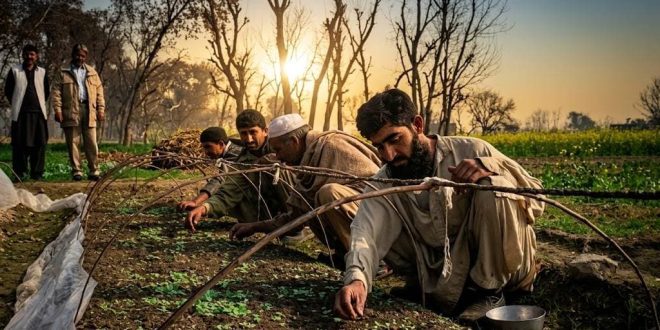
Farmers say they are struggling to sell their harvested tobacco despite having agreements with local tobacco companies and buyers. According to growers, several buyers have yet to start procurement, leaving them with unsold stocks while production costs and financial obligations continue to increase.
The situation has also increased scrutiny of the Pakistan Tobacco Board (PTB). Farmers have accused the regulatory body of failing to effectively enforce procurement rules and protect growers from practices that weaken their bargaining position.
Some local buyers and dealers are reportedly offering around Rs400 per kilogram, while the reported minimum price is approximately Rs720 per kilogram. Farmers say the large price gap is forcing financially pressured growers to consider distress sales to recover part of their investment and meet immediate expenses.
The situation has become more complicated following enforcement action by the PTB against some local purchasing companies and dealers. Farmers fear that disruptions to formal procurement channels could push more transactions into informal markets, where growers have less bargaining power and may face greater risks from middlemen.
The wider tobacco industry is also facing uncertainty. Apart from two major multinational companies, many local companies and purchasers have yet to begin procurement at the expected scale. This has raised concerns about surplus tobacco and whether the existing procurement system can absorb the crop produced by farmers.
Farmers are also seeking clarity on the Minimum Indicative Price for the current season. They say an unclear or weakly enforced pricing framework leaves growers vulnerable to market practices that can push prices below expected levels.
For farmers, the issue goes beyond the price offered by individual buyers. They want companies that have entered procurement agreements to fulfil their commitments and purchase tobacco through a transparent and enforceable system.
The situation is also creating challenges for legitimate businesses operating within the formal tobacco sector. Inconsistent procurement and weak enforcement can distort competition, encourage informal trading and put compliant companies at a disadvantage.
Farmers and industry representatives are calling for immediate action from the PTB and other relevant authorities. They are seeking clarity on the MIP, the resumption of procurement by committed companies, a practical mechanism to manage surplus production and stronger action against alleged purchases below the prescribed price.
The crisis has highlighted a gap between regulatory policy and its implementation. Farmers now want a procurement system that works on the ground, protects the value of their crop and ensures that procurement commitments are honoured.
With tobacco stocks continuing to accumulate and financial pressure increasing, the PTB faces growing pressure to restore confidence in the procurement process. Delayed action could increase losses for farmers and further destabilise the tobacco industry.