The Biz Update One of Pakistan's Most Reliable Business News Website

Related Articles

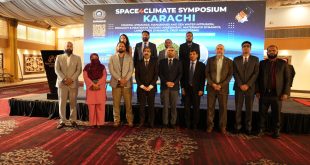
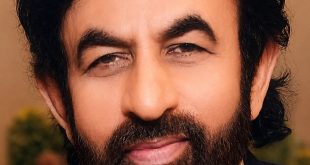
Karachi, August 04, 2025:Federal Minister for Education and Professional Training, Dr. Khalid Maqbool Siddiqui, delivered a passionate address at a one-day conference on disability reforms held at the University of Karachi, calling for national recognition of the rights and potential of persons with disabilities.
Organized at the Chinese Teachers Memorial Auditorium, the conference brought together education leaders, political figures, and civil society members to discuss inclusive policy reform. Among the notable attendees were University of Karachi Vice Chancellor Mr. Mahmood Iraqi, senior politician Ms. Kishwer Zehra, and former federal minister Mr. Amin Ul Haq.
In a powerful keynote speech, Dr. Siddiqui urged society to shift its mindset from viewing disability as a limitation to recognizing special ability. “Your identity will be your future. The biggest disability is to accept slavery,” he said. “This is the month of Pakistan’s independence and among us are those whose ancestors fought for this very freedom.”
Emphasizing the role of Karachi in Pakistan’s development, he added, “When Karachi runs, the whole country runs. People call them persons with disabilities; I call them people with special abilities.”
Dr. Siddiqui also outlined the government’s steps to promote inclusion:
“We have presented legislation focused on the rights and reforms for persons with disabilities. Special education is now part of the national education policy, and we are committed to creating a framework for equal opportunity.”
Earlier in the event, Ms. Kishwer Zehra reaffirmed her party’s dedication to disability advocacy, noting, “We were the first to create a political wing for disability welfare. We must begin by accepting their existence and rights.” She officially passed the mantle of disability reform advocacy to the next generation of leadership.
Vice Chancellor Mahmood Iraqi announced a major institutional initiative by granting full tuition waivers for all students with disabilities enrolled at the university. “NGOs have played a valuable role,” he said, “but the government must lead the way with structural reforms for accessibility and equal opportunity.”
The conference marked a significant step in raising awareness and driving institutional change toward a more inclusive and equitable Pakistan. Participants left with a renewed commitment to ensuring that persons with disabilities are not only accommodated but empowered