The Biz Update One of Pakistan's Most Reliable Business News Website

Related Articles
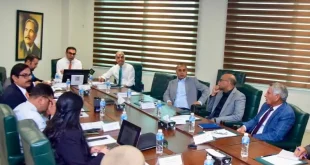

Karachi, September 3, 2026: Mobilink Bank and the Sustainable Development Policy Institute (SDPI) have called for gender-responsive climate finance to help women farmers cope with climate shocks and protect their livelihoods.
The call follows a new study, “Designing Gender-Responsive Climate Finance: A Diagnostic Study and Product Framework for Women Farmers in Pakistan.” The study is based on field research across eight districts of Punjab and Sindh. It highlights major gaps in women farmers’ access to formal finance, land ownership, and digital financial services.
SDPI and Mobilink Bank presented the findings at a policy dialogue in Islamabad. Government officials, regulators, banks, development finance institutions, and development partners attended the event.
The study found that more than 90% of women farmers surveyed had experienced an extreme climate event in the past five years. These included heatwaves, floods, heavy rainfall, and drought-like conditions.
More than 80% reported crop losses or other negative impacts on farming. Borrowing was among the most common ways women coped with these challenges across all surveyed districts.
In Khushab, every woman who reported using a coping strategy had borrowed money. More than half had also sold livestock, which could affect their future income.
The study also highlighted major structural barriers facing women in agriculture. Although 67% of employed women in Pakistan work in agriculture, only 1.5% of agricultural households are formally recorded as female-headed.
Women also have limited access to land. Only around 2% of ever-married women aged 15–49 own land either individually or jointly. Meanwhile, 97.2% have not inherited land or a house. In Sindh, 99.1% of women surveyed did not own land individually or jointly.
The financial and digital gender gap adds another barrier. The study found that 56% of men have full-service financial accounts, compared with only 14% of women. Mobile-wallet ownership is also significantly lower among women, at 11%, compared with 48% among men.
Khowla Shoaib, Head of Strategy, Sustainability & Women Financial Services at Mobilink Bank, said agriculture accounts for around 60% of the bank’s total gross loan portfolio, while women account for more than 21%.
She said the study provides valuable insights into the financial and climate-related challenges faced by women farmers. The findings will help strengthen existing financial products and support the development of new gender-responsive solutions.
Adviser to the Finance Minister, Adnan Pasha, who attended the event as guest of honour, stressed the importance of recognizing women farmers as key contributors to Pakistan’s agricultural economy.
He urged financial institutions to develop products that address barriers related to collateral, access to finance, and climate resilience.
Dr. Sajid Amin Javed, Deputy Executive Director (Research) at SDPI, said focusing climate finance at the micro-farmer level is essential for strengthening Pakistan’s rural economy and agricultural resilience.
The study calls for financial solutions that reflect the realities of women farmers, including limited land ownership, mobility constraints, and unequal access to digital financial services.