The Biz Update One of Pakistan's Most Reliable Business News Website

Related Articles


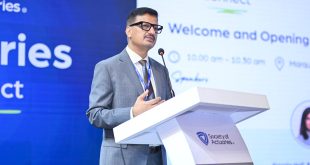
Islamabad, May 20: Experts have urged Pakistan to shift the upcoming federal budget from short-term stabilization to long-term development. They called for stronger focus on exports, food security, investment, and inequality reduction. However, they warned that without political will, reliable data, and institutional coordination, Pakistan may continue to face stagflation, rising poverty, and external financial pressure.
The Institute of Policy Studies (IPS), Islamabad, organized the discussion on the federal budget 2026–27 and Pakistan’s economic challenges. The session brought together economists, journalists, and policy experts. It was chaired by Dr. Ahmad Zubair, former chief economist. Other speakers included Dr. Zafar ul Hasan Almas, Dr. Shahid Naeem, Prof. Dr. Shujaat Farooq, economic journalist Mehtab Haider, and chartered accountant Qanit Khalil Ullah.
Dr. Zafar ul Hasan Almas warned that rising imports and food insecurity may push inflation higher. He said inflation could reach 15 percent in the coming months. As a result, the policy rate may increase, and debt servicing needs could rise by Rs500–600 billion. He also pointed to weak data systems and poor coordination among institutions. In addition, he said exports remain stagnant while fiscal space continues to shrink.
Dr. Shahid Naeem said economic growth figures mask rising poverty and inequality. He linked this to elite capture and heavy indirect taxation. Moreover, he noted that independent pricing bodies now set many commodity prices outside the budget process. As a result, the budget has lost influence. He also criticized weak coordination in social protection programs and stressed that institutional accountability remains low.
Dr. Shujaat Farooq said the budget has lost its regulatory strength. He stressed that Pakistan must align annual budgets with five-year development plans. However, he said this link remains weak. Furthermore, he pointed to poor coordination between federal and provincial governments. He also noted that most districts do not contribute to exports. Meanwhile, revenue targets dominate policy while development takes a back seat.
Economic journalist Mehtab Haider said the salaried class carries most of the tax burden. At the same time, Pakistan continues to face stagflation. He said IMF programs follow a “one-size-fits-all” approach, which can slow growth. Moreover, he argued that wealthy segments remain under-taxed. He also highlighted gaps in agricultural and retail taxation enforcement. Therefore, he stressed the need for strong political will and formalization of the informal economy.
In his concluding remarks, Dr. Ahmad Zubair said Pakistan must adopt a development-led economic model. He stressed innovation in resource allocation and stronger planning tools. In addition, he warned that weak governance continues to undermine progress. Finally, he noted that rising debt, circular debt, and inequality remain key structural challenges despite higher tax collection.